
Facility to expand cash transfers for vulnerable households as experts raise fresh concerns over Nigeria’s mounting debt profile and growing dependence on external financing.
The Federal Government has secured a fresh $208.3 million financing facility from the World Bank to expand Nigeria’s cash transfer programme for poor and vulnerable households, as it seeks to cushion the harsh economic impact of sweeping reforms that have triggered soaring inflation and a sharp rise in the cost of living.
The latest funding is expected to strengthen the government’s social protection programme by providing direct financial support to millions of low-income Nigerians struggling with the fallout from the removal of petrol subsidy, exchange rate liberalisation and persistent inflation that has eroded purchasing power across the country.
According to the government, the financing forms part of the World Bank-backed social safety net initiative designed to mitigate the short-term effects of economic reforms while strengthening Nigeria’s social protection architecture.
The intervention will also support efforts to update and expand the National Social Register, improve the accuracy of beneficiary identification, strengthen electronic payment systems and ensure that cash support reaches eligible households more efficiently and transparently.
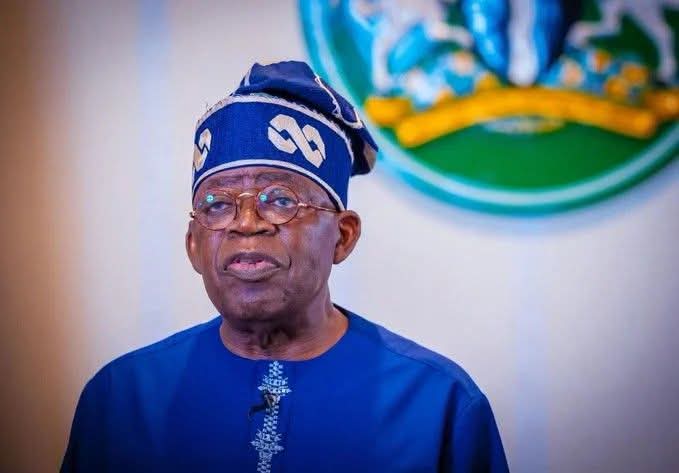
The fresh facility further deepens Nigeria’s financial engagement with the World Bank under President Bola Tinubu’s administration. Since assuming office in May 2023, the administration has secured more than $11.4 billion in World Bank loan approvals spanning critical sectors such as power, agriculture, healthcare, education, digital infrastructure, financial inclusion and social protection.
Although a substantial portion of the approved loans is yet to be disbursed, the approvals underscore the Federal Government’s increasing reliance on multilateral financing to fund reforms and development programmes amid shrinking revenues and mounting fiscal pressures.
Government officials insist that expanding cash transfers remains critical to protecting millions of vulnerable Nigerians from the immediate economic shocks of ongoing reforms while laying the foundation for sustainable and inclusive economic growth.
However, the latest borrowing has reignited concerns among economists, fiscal policy experts and civil society groups over Nigeria’s rising debt burden and growing dependence on external loans to finance public programmes.
Analysts have urged the government to ensure strict transparency, accountability and effective monitoring of the cash transfer scheme, warning that previous social intervention programmes have faced criticism over poor targeting, weak oversight and allegations that many deserving beneficiaries were excluded.
Figures released by the Debt Management Office (DMO) show that Nigeria’s total public debt climbed to approximately ₦159.28 trillion as of December 31, 2025, with multilateral creditors—particularly the World Bank—accounting for a significant share of the country’s external debt obligations.
Despite mounting concerns, economic experts note that World Bank facilities remain among the cheapest sources of external financing available to developing countries because they offer relatively low interest rates, longer repayment periods and favourable repayment terms compared with commercial borrowing.
They, however, caution that the success of the latest financing will ultimately depend not on the size of the loan but on prudent management, transparent utilisation of the funds and the government’s ability to ensure that millions of intended beneficiaries receive the financial support needed to weather Nigeria’s prolonged economic hardship.