
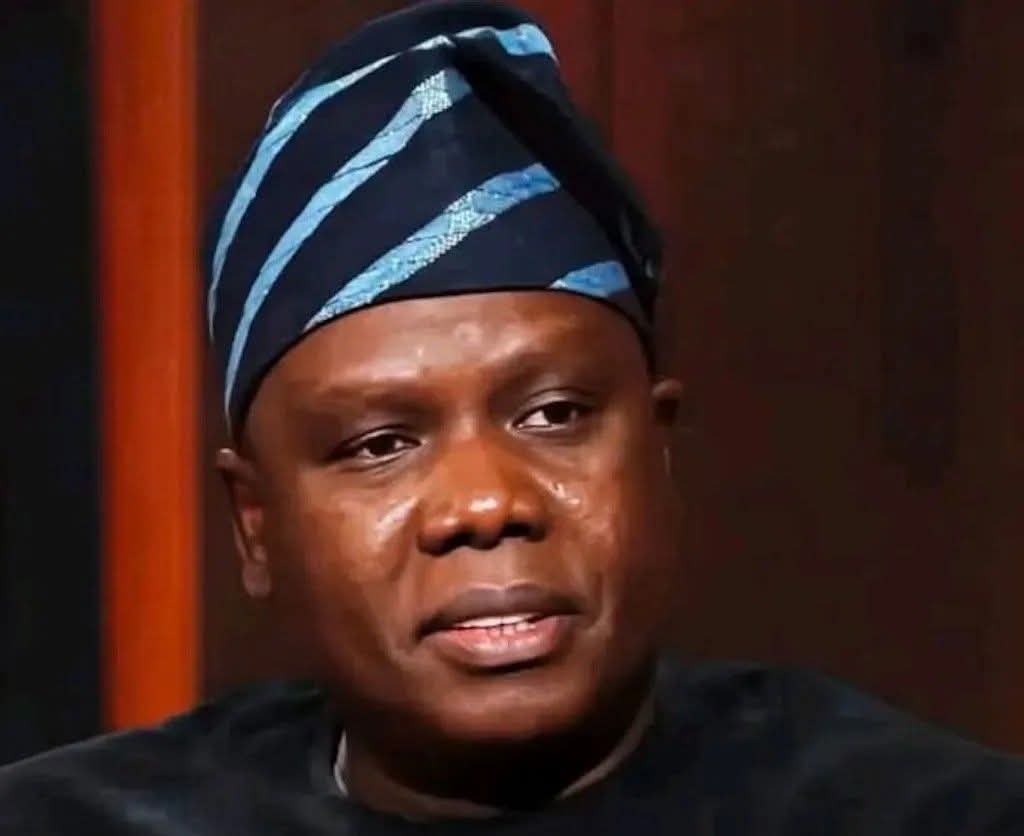
Video of comments by presidential aide Daniel Bwala, alleging that “everything Tinubu presented to the contest for Lagos State Governor was forged,” has once again revived public debate over political records, transparency and accountability in public office.
The allegation has quickly become a major subject of national discussion, drawing reactions from political actors, legal analysts, civil society groups and ordinary citizens. Although such claims are not new in Nigeria’s political history, their re-emergence highlights the continuing importance of credible public records in sustaining trust in democratic institutions.
At the heart of the controversy is a broader question: how should allegations concerning the qualifications and documentation of public officials be addressed in a constitutional democracy? Many observers argue that the issue goes beyond the individuals involved and touches on the integrity of electoral processes and public governance.
Supporters of stronger institutional scrutiny maintain that allegations relating to educational credentials, identity documents and other official records should be examined through established legal and administrative procedures rather than through political rhetoric. They contend that democratic systems function best when disputes are resolved through evidence-based processes conducted by competent authorities.
In Nigeria, the Constitution and electoral laws provide mechanisms for challenging the qualifications and documents submitted by candidates seeking public office. The Independent National Electoral Commission (INEC), the courts and other relevant agencies are empowered to receive, review and determine disputes arising from nomination documents and related declarations.
Legal experts note that allegations, no matter how serious, do not by themselves establish wrongdoing. Under the rule of law, claims must be supported by evidence and subjected to due process before any conclusion can be reached. They warn that public confidence can be undermined when accusations are treated as established facts without judicial determination.
At the same time, advocates of transparency argue that public officials have a responsibility to make their records available for scrutiny, especially when questions arise. They say openness in matters of educational qualifications and personal records can help reduce suspicion and strengthen citizens’ confidence in elected leaders.
The renewed controversy has also drawn attention to the role of political communication in democratic societies. Critics of inflammatory political statements caution that unverified allegations can deepen polarisation and distract attention from governance issues, while supporters of robust political debate insist that public figures must be prepared to answer difficult questions about their backgrounds.
Institutional credibility is central to this discussion. Citizens are more likely to accept outcomes when they believe that electoral bodies, investigative agencies and the judiciary are independent, competent and impartial. Conversely, perceptions of institutional weakness can prolong controversies and fuel public distrust.
For many analysts, the key issue is not merely whether allegations are made, but whether institutions are capable of resolving them conclusively. Transparent investigations, timely judicial processes and clear public communication are often cited as essential components of democratic accountability.
The debate ultimately raises enduring questions about the relationship between politics, law and public trust. In any democracy, allegations concerning the credentials of public officials should be addressed through lawful institutional channels, with evidence subjected to impartial scrutiny. Doing so protects both the rights of those accused and the public’s legitimate interest in accountability.
As the controversy continues to generate discussion, many Nigerians are asking whether existing institutions possess the capacity, independence and public confidence necessary to resolve such claims decisively and strengthen trust in the country’s democratic system.