
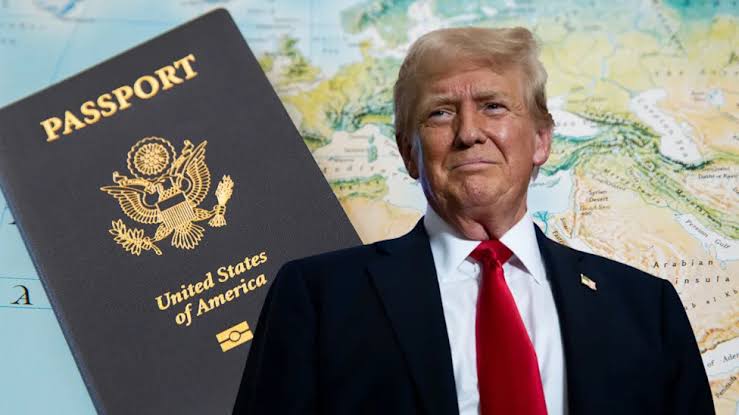
The United States government has said it has recorded 15 consecutive months without releasing any undocumented migrants into the country and has deported more than three million foreign nationals since President Donald Trump returned to office.
The claims were contained in a fact sheet published on the White House website and reviewed on Wednesday. The document outlined a series of immigration measures that the administration said were implemented to strengthen border security, tighten citizenship rules and overhaul the country’s immigration system.
According to the White House, President Trump has fulfilled his campaign pledge to restore order to the immigration system, prioritise the interests of American citizens and protect the integrity of U.S. citizenship.
The administration stated that within his first week back in office, Trump signed an executive order declaring a crisis at the southern border. The order, it said, authorised immediate actions aimed at ending what the administration described as the surge in illegal immigration that occurred under former President Joe Biden.
“For 15 straight months, no illegal aliens have been released into the country,” the White House stated in the document.
It further claimed that more than three million undocumented migrants had been deported during the period, including thousands who had previously been convicted of violent crimes.
The administration also announced what it described as a “denaturalization surge,” targeting individuals alleged to have obtained American citizenship through fraud or misrepresentation. According to the fact sheet, legal actions had been initiated against 88 people who were granted citizenship but were later found to be allegedly ineligible.
On social welfare, the White House said it had ended taxpayer-funded benefits for more than 1.4 million undocumented migrants who were allegedly receiving public assistance improperly. It added that such individuals had also been barred from accessing more than a dozen federally funded healthcare programmes.
In the area of visa policy, the administration said it had tightened screening procedures and strengthened visa programmes. It also announced a temporary suspension of visa processing for 75 countries identified as high risk, saying the measure was intended to enhance homeland security and discourage visa overstays.
The White House further said efforts were underway to remove undocumented migrants from voter registration lists in several states. The administration maintained that voting in federal elections is a right reserved for American citizens and said it was working with state authorities to prevent non-citizens from participating in elections.
The fact sheet also indicated that the citizenship test had been revised to place greater emphasis on applicants’ understanding of American history, government and civic values. The administration said the changes were designed to ensure that applicants meet all statutory requirements before citizenship is granted.
In addition, the White House referenced two executive orders signed by President Trump on August 6, 2026. According to the administration, the orders were aimed at ending birth tourism and clarifying categories of children who would not qualify for birthright citizenship in the aftermath of the Supreme Court’s ruling in Trump v. Barbara.
The administration presented the measures as part of a broader strategy to secure the border, enforce immigration laws and restore public confidence in the immigration system. Officials argued that stricter enforcement had contributed to improved border control and reduced illegal migration.
However, the White House document did not provide detailed statistical evidence supporting the claim that no undocumented migrants had been released into the country for 15 consecutive months, and immigration advocates have previously challenged some administration immigration figures.
The immigration measures announced by the Trump administration are expected to remain a major issue in national politics, with supporters arguing that they enhance security and uphold the rule of law, while critics contend that they could have significant humanitarian and legal implications for migrants and asylum seekers.
The administration’s latest announcement underscores its continued focus on immigration enforcement as a central policy priority and signals that additional measures may follow as it pursues further restrictions on illegal immigration and tighter citizenship standards.