

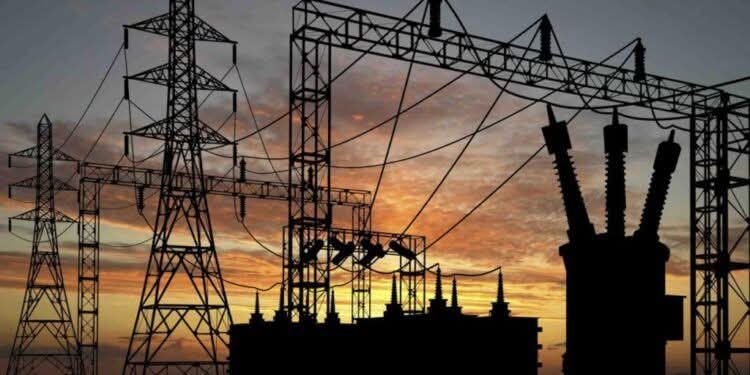
Nigeria’s national electricity grid has collapsed again, plunging the country into a nationwide blackout and marking the second system failure recorded in 2026 within one week.
The development was confirmed by data obtained from the Nigerian Independent System Operator (NISO), which showed that power generation dropped to zero megawatts at about 11:00 am on Tuesday.
The incident has once again raised concerns about the reliability of Nigeria’s electricity transmission infrastructure, coming just days after a similar nationwide outage earlier in the year.
As of the time of filing this report, there was no official statement from the Transmission Company of Nigeria or NISO on the specific cause of the latest collapse or a timeline for the full restoration of electricity nationwide.
What the data is saying
Power generation data from grid monitoring platforms showed a complete shutdown of the national grid during the incident, with electricity supply disrupted across all regions.
Allocation records further revealed that electricity distribution companies were unable to receive power following the collapse.
Data from NISO showed that national power generation fell to 0 megawatts at approximately 11:00 am on Tuesday.
Power allocation records indicated that Benin, Eko, Enugu, Ikeja, Jos, Kaduna, Kano, Port Harcourt, Ibadan, Abuja, and Yola DisCos all recorded zero power allocation.
The outage left homes, businesses, and public infrastructure across several states without electricity.
Also, grid monitoring data indicated a gradual restoration of supply in some areas, suggesting the start of a slow recovery process.
Nairametrics had last week reported the first national grid collapse recorded this year, deepening public concern over the fragility of the country’s electricity infrastructure.
NISO had attributed the earlier nationwide outage to a system-wide disturbance.
The disturbance was linked to multiple 330 kilovolt transmission line trips.
The incident also involved the disconnection of some grid-connected generating units.
That earlier failure triggered widespread blackouts, forcing distribution companies to shut down electricity supply as the disturbance spread across the network.
The repeated system failures have once again brought attention to long-standing structural weaknesses within Nigeria’s electricity transmission network.
These challenges continue to undermine the stability of the power supply, despite ongoing reforms in the sector.
Persistent grid instability has remained a major issue affecting electricity supply nationwide.
Weak grid management and operational challenges continue to strain the transmission system.
Transmission constraints limit the grid’s ability to absorb and distribute available generation.
Data from National Grid showed that Ikeja Electricity Distribution Company and Ibadan Disco had begun receiving limited megawatt allocations, pointing to a gradual but fragile restoration process.
Frequent nationwide blackouts have previously been blamed on systemic imbalances within Nigeria’s electricity value chain.
The Federal Government has attributed recurring grid collapses to the inability of distribution companies to fully absorb generated power, a situation that often leads to system instability.
About the Author