
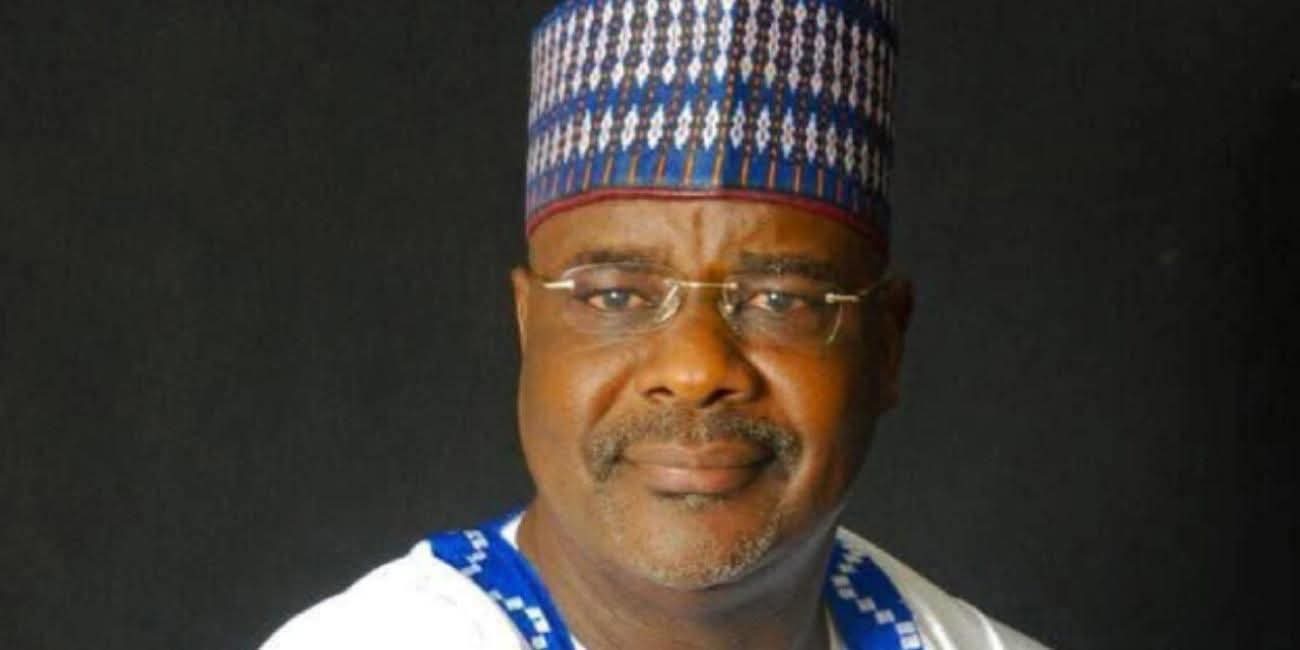
The Zamfara State chapter of the APC confirmed the killing, describing it as a devastating loss to the party and the state.
Umar Moriki, the chieftain of the All Progressives Congress (APC) in Zamfara State, has been shot dead by gunmen suspected to be bandits terrorising the state.
Moriki was reportedly attacked and killed on Saturday morning along the Gusau–Tsafe highway, near Fegi village in Tsafe Local Government Area of the state, while traveling from Gusau, the state capital, to Kaduna.
The Zamfara State chapter of the APC confirmed the killing, describing it as a devastating loss to the party and the state.
In a statement issued by the party’s Zamfara State Publicity Secretary, Yusuf Idris, the APC said Moriki had just participated in a stakeholders’ meeting hosted by the Minister of State for Defence, Bello Matawalle.
Idris noted that Moriki was a loyal member of the party who played significant roles in governance and political mobilisation.
“His death is a great loss to our party and to Zamfara State. Moriki was a dedicated party man who devoted his life to public service and humanitarian support,” the statement read.
Moriki, who held various political positions, including Vice Chairman of Zurmi Local Government Area, Director-General of a state agency, and Special Adviser on Rural Electrification, also contested the Zurmi/Shinkafi House of Representatives seat in the 2023 elections.
He died at age 62 and is survived by three wives and several children.
Zamfara State has, for years, been an epicentre of banditry in northwestern Nigeria, with armed groups carrying out killings, kidnappings, extortion, and village raids.
Despite multiple military operations and peace initiatives, the violence has persisted, often targeting rural communities, commuters, and local leaders.
Attacks on major highways, particularly the Gusau–Tsafe and Gusau–Funtua routes, have become increasingly common, with travellers frequently ambushed by heavily armed groups.
Communities in Zurmi, Shinkafi, Maru, Tsafe, and Birnin Magaji local government areas have recorded repeated casualties, prompting mass displacement and calls for stronger security intervention.
Moriki’s killing added to a growing list of political figures, traditional rulers, and civilians who have been targeted in the state, heightening concerns about deteriorating safety conditions and the resilience of armed criminal networks operating in the region.
About the Author