

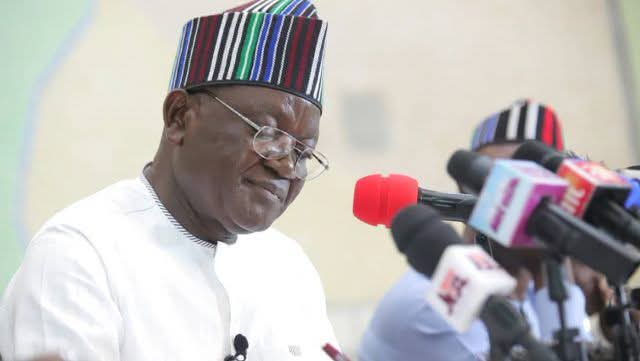
Former Benue State Governor, Samuel Ortom, has challenged Igbo political leaders opposing Peter Obi’s 2027 presidential ambition to explain their position, questioning the consistency of their longstanding complaints about political marginalisation.
Ortom argued that it was contradictory for some leaders who have repeatedly lamented the South-East’s exclusion from Nigeria’s political leadership since the end of the civil war to oppose an opportunity for an Igbo politician to contest the presidency.
The former governor made the remarks while reacting to opposition from some Igbo leaders to Obi’s presidential aspiration on the platform of the Nigeria Democratic Congress (NDC).
Addressing the critics, Ortom asked why they would resist Obi’s ambition despite years of demanding greater political inclusion for the South-East.
“To Igbo leaders castigating Peter Obi for contesting an election, is it not you people that have been complaining that you’re being marginalised since after the war? Opportunity has come today (in Peter Obi) and you are still complaining. What do you want?” he asked.
According to People’s Voice, which reported his remarks on Monday, November 23, Ortom urged political leaders to embrace unity and constructive engagement rather than allow internal disagreements to undermine political progress.
His intervention comes amid growing disagreements among South-East political stakeholders over Obi’s presidential ambition, with some insisting that the former Anambra governor deserves regional backing while others maintain that political affiliation and individual interests should determine their choices.
The debate has also raised broader questions about the relationship between ethnic political aspirations, democratic freedom and the right of political leaders to support candidates of their choice.
Although demands for greater political inclusion remain prominent in South-East political discourse, whether such aspirations should translate into collective support for a particular candidate continues to generate controversy.