
The House of Representatives has extended the deadline for implementing the capital component of the 2025 Appropriation Act from September 30 to December 31, 2026.
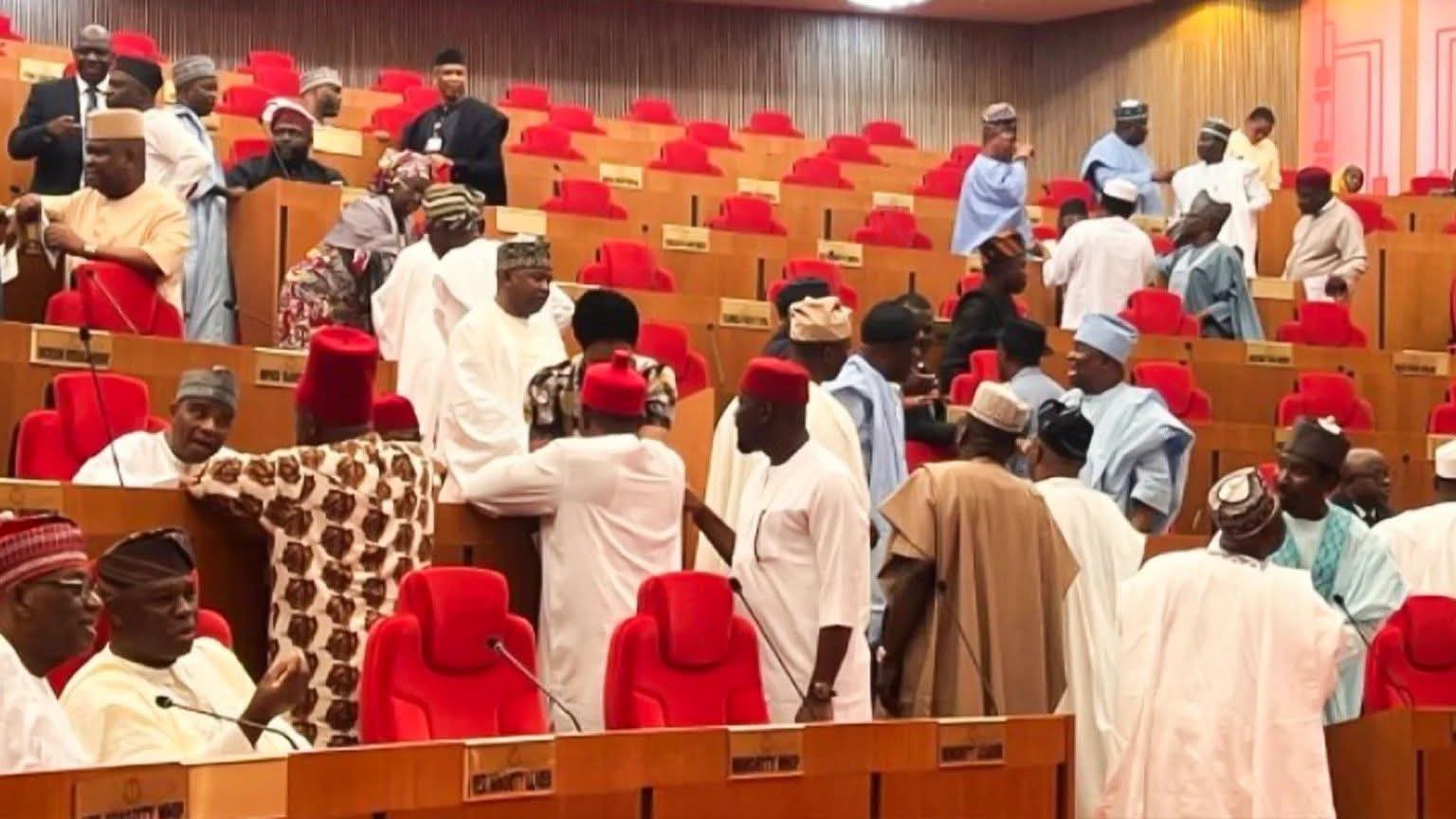
The decision followed the consideration and passage of an Executive bill when the House resumed plenary on Tuesday after its annual recess.
The bill was considered at the Committee of Supply chaired by the Deputy Speaker, Benjamin Kalu, and subsequently passed by the chamber.
Leading the debate, the Majority Leader, Julius Ihonvbere, urged members to support the amendment to the Appropriation (Repeal and Enactment) Act, 2025.
The amendment seeks to extend the implementation period for capital projects under the 2025 budget by three months.
Ihonvbere said economic pressures and other factors had slowed the execution of the capital component of the budget.
“Due to several factors and forces impinging on the Nigerian economy, it has been very difficult to conclude the implementation of the capital aspects of this particular bill, and the dates previously determined for the implementation would expire on the 30th of September,” Ihonvbere said.
According to him, the extension would give the government additional time to execute projects already captured in the 2025 appropriation.
“And as a responsible parliament to ensure that non-implementation will not be blamed on the expiration of our own determination, we have decided to move and let it be moved that this be extended to the 31st of December, 2026,” he said.
The latest extension marks another adjustment to the implementation period for the 2025 capital budget.
The National Assembly had earlier moved the deadline from December 31, 2025, to March 31, 2026, before extending it further to June 30 and later September 30.
The extensions have reflected concerns over delays in the execution of capital projects and the need to prevent the expiration of the budget implementation window from affecting ongoing projects.
The Federal Government has also rolled over a significant portion of the 2025 capital budget into the 2026 fiscal year.
The Federal Ministry of Budget and Economic Planning said the move would support the completion of ongoing projects amid fiscal constraints.
The 2026 budget provides N32.27 trillion for capital expenditure, highlighting the scale of public investment commitments the government is expected to manage alongside outstanding projects from the previous fiscal year.
With the new deadline, Ministries, Departments and Agencies (MDAs) now have until the end of December to continue work on eligible projects and settle related implementation commitments under the 2025 capital budget.
The House adjourned plenary after passing the bill and will reconvene on October 13, 2026.