
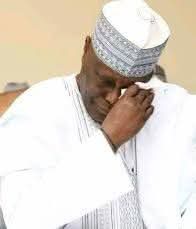
The presidential candidate of the African Democratic Congress (ADC), Atiku Abubakar has made the restoration of petrol subsidy a major part of his 2027 campaign pitch, arguing that Nigerians have not seen sufficient benefits from the policy’s removal.
Speaking during an interview yesterday, Atiku questioned the whereabouts of funds generated following the decision by President Bola Tinubu to end the petrol subsidy in May 2023. Politics
“I did not oppose the removal of the oil subsidy, but where is the money? Where did it go? It was intended to reduce poverty and help children attend school. Where is the money now? It seems they are just stealing it,” Atiku said in Hausa.
“If elected, I will bring back the oil subsidy, and whoever stole the money must refund it.”
His declaration comes just as the federal government has provided a fresh estimate of the financial gains from the subsidy reform. Minister of Finance and Coordinating Minister of the Economy, Taiwo Oyedele, said yesterday that the removal of the subsidy generated N15.8 trillion in resources for the federation between June 2023 and December 2025.
Oyedele said the figure reflected increased revenue mobilisation, including the effect of the naira value of dollar-denominated transactions following the government’s exchange-rate reforms.
Atiku has disputed the government’s presentation of the gains from the reforms. In a separate statement on Wednesday, his camp challenged the Tinubu administration to account for approximately N30 trillion in federation revenues, deductions, savings and transfers which it said required transparent reconciliation.
The former vice president argued that the resources released by subsidy removal should have produced more visible improvements in Nigerians’ lives, particularly in security, education, infrastructure and employment.
“The government successfully removed the subsidy, but we do not know where the money went. If they had used the money for development, to solve security problems, for education, and to create opportunities for the youth, it would be different. If elected, I can remove the subsidy and use the money to do all these properly.”
The subsidy removal remains one of the most consequential economic decisions of the Tinubu administration. Its immediate aftermath saw petrol prices rise sharply, with knock-on effects on transportation, food prices and the broader cost of living. Politics
At the same time, the policy has increased monthly allocations to the three tiers of government through the Federation Account, with some state governors acknowledging substantial increases in their FAAC receipts.
Atiku’s latest pledge represents a significant shift from his position during the 2023 presidential campaign. In December 2022, while running as the Peoples Democratic Party’s candidate, he had said he would remove the fuel subsidy within his first 100 days in office.
His new position places the subsidy question firmly back at the centre of the 2027 political contest, with opposition candidates increasingly presenting alternative approaches to the economic reforms introduced under Tinubu.
Omoyele Sowore, the African Action Congress presidential candidate, has also pledged to restore petrol subsidy if elected, arguing earlier this month that the government was still subsidising petrol and the naira despite declaring an end to the subsidy regime.
With the 2027 election campaign now taking shape, the competing claims over subsidy savings—and whether those resources have translated into tangible benefits for Nigerians — are likely to become a major issue in the contest between the government and opposition.