

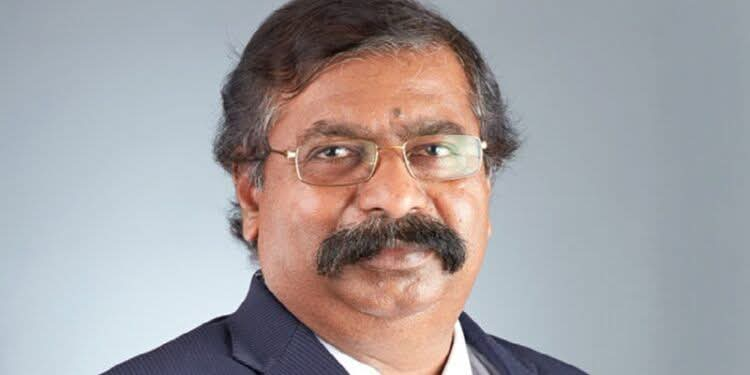
Dangote Group Vice-President Devakumar Edwin has alleged that workers made 22 attempts to sabotage the company’s refinery, including by starting fires and tampering with equipment.
Edwin said the refinery’s control and monitoring systems helped detect or contain the incidents, according to reports of his remarks during an October 2025 media briefing.
He described some Nigerian workers as “unpatriotic” and questioned what might happen at government-owned refineries if similar incidents occurred there.
The company said the alleged sabotage prompted a staff reorganisation, rejecting claims that its actions were connected to employees joining a union.
The allegation remains the company’s account; the reports reviewed for this article do not establish that workers were convicted of sabotage.
Dispute centred on dismissed workers and union membership
The remarks came during a dispute over the refinery’s reorganisation and the reported dismissal of hundreds of employees.
PENGASSAN said more than 800 workers had been dismissed after joining the union, while Dangote described the changes as a safety-focused reorganisation.
The refinery said it retained more than 3,000 Nigerian employees and that only a small number were affected.
The union’s account and the company’s explanation differ, leaving the scale and circumstances of the dismissals contested in contemporaneous reporting.
Laid-off workers told the Associated Press they had joined PENGASSAN and sought better pay and safer working conditions; the refinery said sabotage drove the dismissals.
The dispute escalated into industrial action, before Nigerian government intervention helped bring the strike to an end.
Sacked engineers reject sabotage allegations
Some dismissed engineers denied involvement in sabotage, questioning why arrests or prosecutions had not followed if the alleged incidents were documented.
They told The Punch they believed the dismissals were linked to union membership, a claim the refinery rejected.
Their denials do not independently resolve whether sabotage occurred, just as the company’s statements alone do not establish individual responsibility.
The available reports present competing accounts from the company, the union and affected workers, rather than a public investigative finding identifying those responsible.
PENGASSAN’s strike also raised concerns about labour relations and the right of refinery employees to organise.
An industrial union federation said the action followed dismissals it viewed as connected to union membership, while Dangote maintained that safety concerns motivated its reorganisation.
What the claims mean for refinery oversight
The conflicting accounts point to questions about how alleged safety incidents are investigated and how workers can challenge disciplinary decisions.
For the company, substantiated tampering or fire-setting would present serious risks to staff, equipment and refinery operations.
For employees, transparent procedures matter when allegations coincide with a dispute over dismissals and union membership.
The reports reviewed identify Edwin’s claim of 22 incidents, but do not provide independent verification of each incident or findings naming responsible workers.
That gap makes careful attribution essential: the sabotage claims are allegations, while workers and the union have disputed the company’s explanation for the reorganisation.
Publicly available evidence, including any formal investigation findings, could help clarify the claims and rebuild trust between management and staff.