
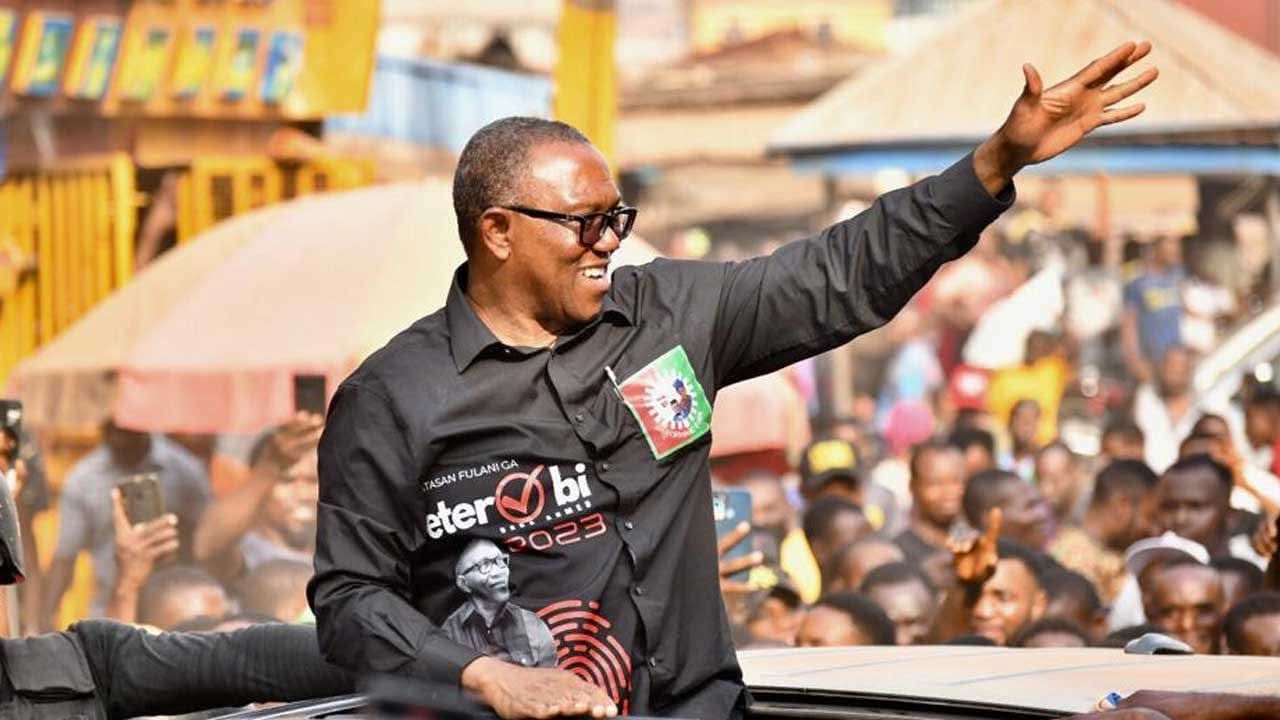
An Open Letter to Media Houses and Political Commentators
I address this open letter to media houses, journalists, interview hosts, political analysts, and all guests who regularly appear on television and radio programmes across Nigeria.
Peter Obi is not the President of Nigeria. He is not the Commander-in-Chief of the Armed Forces. Yet, to listen to public discourse today, one would think he occupies Aso Rock. Obi has become the centrepiece of virtually every political conversation in the country.
Let me begin with the journalists. When preparing interview questions, must there always be one about Peter Obi? If a programme proceeds without mentioning his name, will salaries be withheld? What is it about this man that makes him unavoidable? Every guest who enters your studio is seemingly expected to comment on him. Whether the topic is the economy, security, education, party politics, or governance, the conversation inevitably circles back to Obi.
One begins to wonder whether there is something the public does not know.
To the guests who appear on these programmes: Why not follow the example of those who simply decline to discuss him? Why not say, “I have no comment on Peter Obi”? Let us test whether some of these shows can sustain public interest without invoking his name. The truth is that many programmes appear unable to survive without it.
Peter Obi has since left one political platform, yet the discussions about him continue unabated. Julius Abure speaks about Obi. Members of rival parties speak about him. Political actors no longer in the same camp still make him the focal point of interviews. Daily speculations swirl around alliances, coalitions, running-mate arrangements, and future elections—with Obi almost always at the centre.
Even public figures who have traversed millions of homes across Nigeria somehow find a way to make him a major talking point.
So the question remains: Why Obi?
The answer may be simpler than many care to admit. Peter Obi represents a genuine challenge to the existing political establishment. He embodies a different kind of political conversation—one rooted in competence, accountability, and frugality. He poses a threat to the comfort zone of those who benefit from the current system. Most importantly, he symbolises hope for millions of Nigerians who believe that leadership can, and should, be different.
That is why he is relentlessly scrutinised, discussed, criticised, analysed, attacked, and defended.
Ironically, this obsessive attention may be producing the opposite of its intended effect. The more he is talked about, the more deeply embedded he becomes in the national consciousness. The more he is examined, the more curious Nigerians become about who he truly is and what he stands for.
If every political figure in Nigeria were subjected to the same level of sustained scrutiny Peter Obi receives daily, our country would be far better for it.
Let me conclude with a personal observation. A foolish person is not merely someone who makes mistakes. A foolish person is one who knows what is right, recognises the truth, understands the consequences of wrongdoing, yet deliberately chooses the wrong path because it serves narrow personal or group interests—dragging the entire nation into avoidable suffering in the process.
Nigeria deserves better. Our political conversations should be driven by issues, policies, accountability, and national development—not by an unhealthy obsession with any single individual.
Mike Udam, PhD
The Village Preacher
Ogoja, Nigeria