
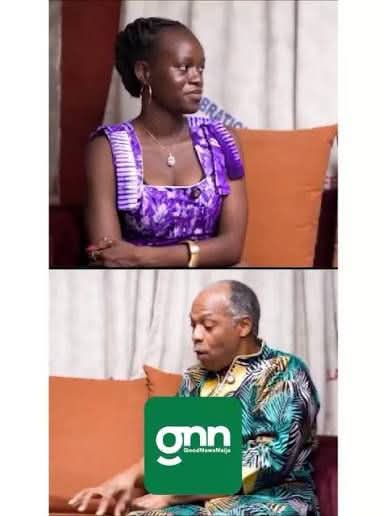
Afrobeat legend Femi Kuti has argued that President Bola Tinubu is not Nigeria’s major problem, blaming the country’s challenges on what he described as deeply entrenched institutional corruption.
Kuti said the judiciary and other institutions responsible for upholding accountability should also be held responsible for the emergence of leaders accused of corruption.
Speaking on a recent episode of the Good News Naija podcast which started trending today, the musician said that if allegations made against Tinubu were true, a judicial system staffed by people of integrity should have prevented him from contesting the presidency.
“Do you think Tinubu is a problem? The judiciary that didn’t stop him from getting there in the first place is a problem.
“If all what they are saying is true, how did he contest? If we had men and women of calibre and integrity, he would not have been able to contest in the first place,” Kuti said.
The singer argued that corruption was deeply rooted across Nigeria’s political and leadership institutions, claiming that members of the country’s elite often belonged to the same network regardless of political differences.
Reflecting on the anti-corruption campaign under former President Olusegun Obasanjo, Kuti referenced the establishment of the Economic and Financial Crimes Commission and the tenure of its pioneer chairman, Nuhu Ribadu.
“Obasanjo put EFCC to arrest all the corrupt people. One of the first people the EFCC arrested was his daughter, …,” he said.
He added, “Then, Ribadu was removed or he even ran away because I think they were after his life. So they removed him from head of the EFCC.
“This same Ribadu is now Tinubu’s security personnel. So you see, it’s the same people. They go to the same parties. They go to the same weddings. They hug themselves. They do everything together.”
Kuti said the situation could weaken young Nigerians’ confidence in the country and its institutions.
“A young boy of 15 that has this history, or 20, when you see what is going on, where is your belief in the system? Where is your belief that you have a future in this country?” he asked.
He maintained that addressing Nigeria’s problems would require strengthening institutions and ensuring that people entrusted with positions of authority were held accountable.